
Sept. 29, 2025


xl
lg
md
sm
xs
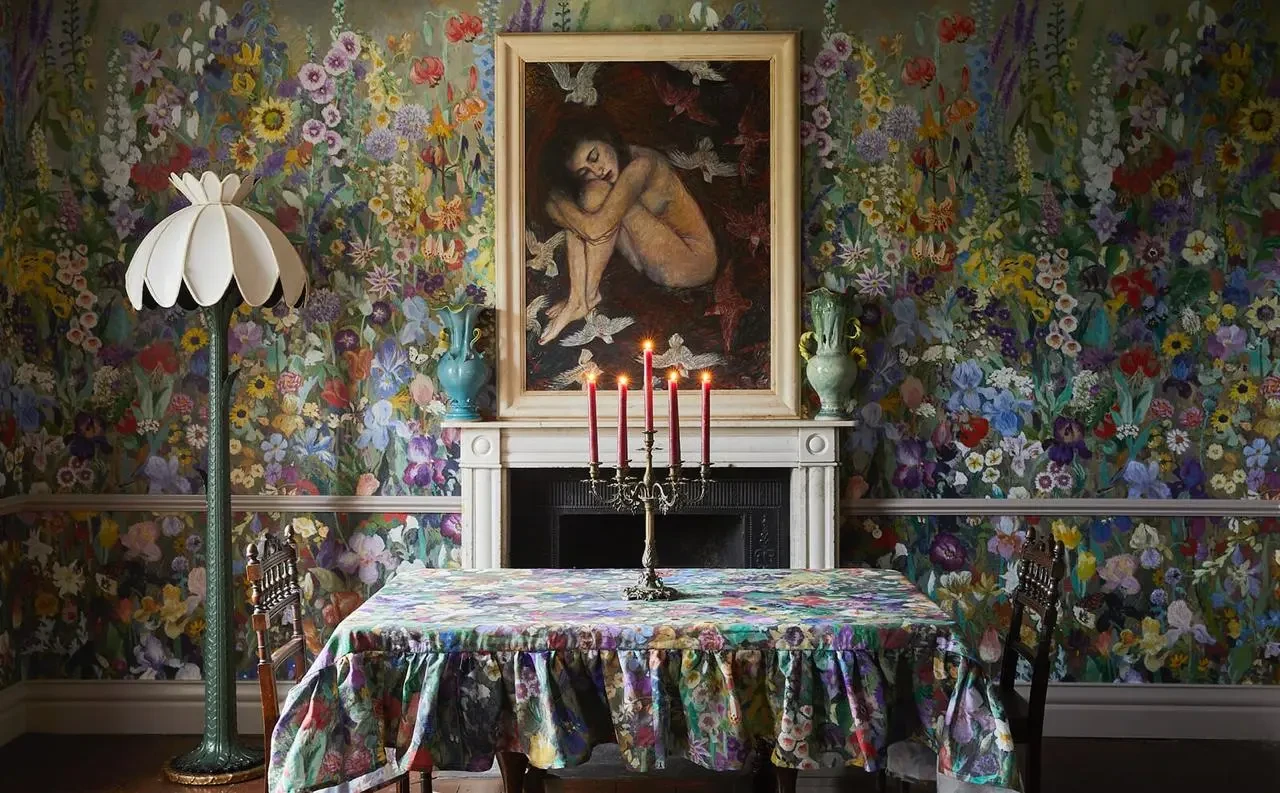
Maximalism and Minimalism in interior design reflect two distinct yet influential styles.
While maximalism thrives on the philosophy that ‘more is more,’ celebrating richness and excess, minimalism embraces the opposite—proving that ‘less is more’ by prioritizing simplicity and restraint.
Beyond interior design, these concepts also shape lifestyle choices, art movements, fashion trends, and architectural approaches.
Interestingly, most design styles borrow elements from both, creating unique and personalized spaces.
So, where do you fall on the scale—closer to Mini or more aligned with Maxi?
Before deciding, let’s take a closer look at how these styles evolved over time.
Minimalism traces its roots back to the 1800s in the Americas, where people embraced simple living as a path to enlightenment. Over time, this concept evolved and gained traction in different parts of the world.
By the 1920s and 1930s, The Bauhaus Design School in Germany revolutionized design by promoting a no-fuss approach that balanced beauty with utility.
As a result, this movement laid the foundation for what we now recognize as minimalist aesthetics.
Then, in the 1960s, artists moved away from Expressionism. Instead, they focused on sleek, straightforward works that embodied simplicity—a direct reaction to an increasingly consumer-driven society.
Consequently, Minimalism became a counter-movement to excess and unnecessary clutter.
Today, Minimalism stands out as a design style defined by calmness, order, simplicity, natural forms, and a neutral palette.
More importantly, it continues to influence modern interiors, inspiring people to create spaces that feel both functional and serene.
To understand the minimalistic style of today, think about Scandinavian and Japanese interiors or open-plan living, as often seen in contemporary kitchen designs.
To create the calm of a minimalistic interior, start by introducing key surfaces with a palette of neutral hues and natural finishes.
Then, layer textures in furnishings and floor coverings for added depth.
For instance, entertain no pattern and keep everything crisp with straight lines.
Additionally, simple furniture should be added, and bare necessities should be focused on to embrace the clean and clutter-free philosophy.
Minimalism isn’t just about restful colours or inducing calm. Rather, it’s about decluttering your mind by reducing material distractions.
Interesting fact: A coloured space other than white, such as all blue or all black, can be a minimal space if it is layered with one colour and the elements within that are simple.
For fabrics, Casamance has an eye for muted tones and harmony. Moreover, neutral wallpapers from The Le Lin collection should be considered.
One standout option is Shinok in colour 2864—a perfectly modern, textural paper that never disappoints.
When it comes to paint, Mylands offers a delightful selection of neutral shades. Belgravia and Holland Park are excellent choices.
For furniture, Heals and Conran deliver timeless options, while Aria in Barnsbury Street, N1 London, remains a trusted go-to.
On the other hand, Maximalism has its roots in the Victorian era.
Thanks to the Industrial Revolution, textiles and furniture became more accessible, allowing the middle class to embrace a lifestyle of abundance.
As a result, maximalism came to represent the thirst for wealth and the desire to showcase it.
Known for its abundance of patterns and use of jewel tones, this style draws the eye into a rich world of quirk, intrigue, and colour—some might even call it chaos.
However, if we delve further into history, maximalism can also be traced back to the Baroque period, with its heady days of excess and extravagance.
Maximalism is excess; it embraces bright and boldness, a mixture of various textures, an abundance of patterns, and high ornamentation, which exudes confidence.
Sometimes, you can splash in an element of glitz, a flash of Regent gold or Deco, and the style is accomplished.
The style is so highly visual and stimulating that anything, even retro, can work as it is worked into the scheme.
The maximalist home of today is an eclectic mix where anything goes, like going rampant in a sweet shop and choosing everything you can muster.
If it was the Victorian era, one would be seen as greedy and spoilt; today, it’s because the Maximalist enthusiast is merely excited by all the eye dancing and invigoration one can behold.
To achieve the look, use a colour that is balanced in tone to level the look, build layers slowly finding odd pieces of furniture or an item handed down the family tree.
Be a collector, mix the old with the new and most of all don’t be afraid to make mistakes and take your time as this style doesn’t fall into place overnight.
If you bow to the maximalist style, then you believe that more really is more, and you revel in eye-popping colours, different textures, luscious texture and patterns, then my go-to for wallpaper for that House of Hackney. Try Zeus in Ochre.
And browse the vibrant spectrum of eye-squinting hues from Little Greene; try one of my favourites, Smalt and you will see why.
Visit Pooky Lighting for an abundance of beautiful lighting for the Maximalist style.
Having a love for maximalist or minimalist interiors is highly subjective. Ultimately, the right choice depends on whether you’re drawn to simplicity or prefer the vibrancy, energy, and expressiveness of maximalism.
Maximalists embrace boldness, confidence, and free-spirited expression, while minimalists gravitate toward balance, practicality, and a more reserved aesthetic.
Ultimately, the choice between these two styles depends on personal taste, lifestyle, and the ambiance you want to create in your home.
While some people find comfort in the calm, clutter-free appeal of minimalism, others thrive in spaces filled with vibrant colors, eclectic décor, and layered textures.
However, many homeowners prefer a middle ground. By blending elements from both styles, they craft a space that feels both expressive and harmonious—striking the perfect balance between personality and practicality.
Myth.
It’s believed that Instagram became the rocket launcher for the maximalist look, a micro trend to help Instagrammers stand out and be seen.
Well yes and well no, the fact is, the look is so ‘stand out’ with its eye-popping show stoppers that it can’t fail to be ignored and is bound to attract a lot of attention, just like it did in Victorian times.
It is a love-it-or-leave-it style that not anyone could convert to overnight, unlike the ‘Kelly Hoppen’ or ‘Scandi’ or ‘Hygge’ trend that is more acceptable to the eye for most.
Every time a style reappears, it tends to evolve. For example, vintage maximalism embraces old-time favourites, while modern maximalism incorporates sleek, contemporary lines.
For me, the maximalist style wins hands down. Its vibrancy and patterns have an unmatched ability to lift the soul, even on a rainy day.
However, minimalism’s calm and organised aesthetic have its appeal, especially for those who crave order in today’s fast-paced world.
These two styles are so far apart on a colour wheel and personality scale that they would probably agitate one another!
To coin their personalities if they were real …
Maximalist…
Free-spirited, feisty, raw, boisterous, generous, loud, arty, big-headed, flamboyant and confident.
Minimalist is …
Controlled, puritan, prim, formal, cautious, reserved, frugal, practical, self-righteous, demeanour, unruffled, black and white, balanced and peaceful.
Whether you’re a minimalist seeking calm simplicity or a maximalist craving vibrant expression, I can help bring your vision to life.
Let’s create a space that truly reflects your personality and lifestyle.
Schedule your consultation today or call me on 07951 203525 for a friendly chat. Your dream interior is just one step away!